| Sol-Anhelo Pharmacy – Premium Healthcare Solutions Online | [ Home ] [ Contact ] |
Antibiotics Overview: A Look at Augmentin, Ocuflox, Cefadroxil, and MoreAntibiotics Overview: A Look at Augmentin, Ocuflox, Cefadroxil, and MoreUnderstanding the Antibiotic CategoryAntibiotics represent a crucial class of antimicrobial drugs designed to combat bacterial infections. They function by either killing the bacteria outright (bactericidal action) or inhibiting their growth and reproduction (bacteriostatic action). The discovery and subsequent widespread use of antibiotics have dramatically altered human health outcomes, revolutionizing the treatment of previously life-threatening infections. The effectiveness of any antibiotic is highly dependent on the specific type of bacteria causing the infection. Bacteria can evolve mechanisms to resist antibiotic treatments, leading to the ongoing challenge of antimicrobial resistance. Therefore, proper selection and judicious use of these medications are paramount for patient care and public health. Mechanisms of Action in AntibioticsAntibiotics target various essential structures or processes unique to bacterial cells. Common targets include the synthesis of the bacterial cell wall, which is absent in human cells, making it an excellent target. Other mechanisms involve interfering with bacterial protein synthesis, DNA replication, or critical metabolic pathways. The Importance of SpectrumAntibiotics are classified based on their spectrum of activity: narrow-spectrum (effective against a limited range of bacteria) or broad-spectrum (effective against a wide variety of bacterial types). A physician chooses the spectrum based on the suspected or confirmed pathogen causing the illness. Spotlight on Key Antibiotic AgentsThis section will detail several examples of antibiotics frequently encountered in clinical practice, highlighting their general chemical classification or common applications, while adhering strictly to informational context. Amoxicillin/Clavulanate Combination Therapy: Augmentin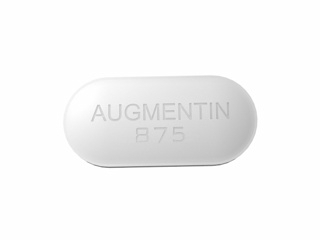
One widely recognized combination medication is Augmentin, which pairs the penicillin-class antibiotic amoxicillin with clavulanic acid. Amoxicillin works by inhibiting bacterial cell wall synthesis. Clavulanic acid, however, is not primarily an antibiotic itself but a beta-lactamase inhibitor. Beta-lactamase enzymes are produced by many resistant bacteria to deactivate penicillin-type drugs. By including clavulanic acid, Augmentin protects the amoxicillin component, allowing it to remain active against a broader range of bacteria that produce these resistance enzymes. This combination broadens its utility significantly. Cefadroxil: A First-Generation Cephalosporin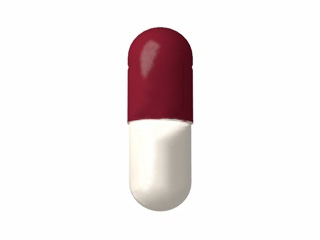
Cefadroxil belongs to the cephalosporin class of antibiotics, specifically categorized often as a first-generation agent. Like penicillins, cephalosporins interfere with the construction of the bacterial cell wall, thereby leading to bacterial death. They are frequently utilized for skin and soft tissue infections, as well as certain urinary tract infections. The structural differences between various cephalosporin generations influence their spectrum of activity and resistance to bacterial enzymes. Cefadroxil maintains a profile particularly effective against certain Gram-positive organisms. Keftab: Another Cephalosporin Variant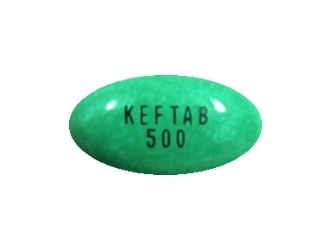
Another medication falling within the cephalosporin family is Keftab (often known generically as cefixime). This agent is generally considered a third-generation cephalosporin, representing an advancement over earlier generations in terms of its spectrum against certain Gram-negative bacteria. Third-generation cephalosporins like Keftab often exhibit enhanced penetration capabilities and greater stability against many beta-lactamase enzymes produced by resistant strains. This positions them as important tools for treating more complex infections where initial agents may prove insufficient. Targeting Ocular Infections: Ocuflox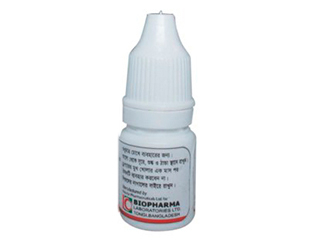
Not all antibiotics are administered systemically; some are formulated specifically for localized treatment, such as eye infections. Ocuflox, which typically contains the active ingredient ofloxacin, is an example of a fluoroquinolone antibiotic used topically in ophthalmic preparations. Fluoroquinolones work by inhibiting essential bacterial enzymes involved in DNA replication and repair, specifically DNA gyrase and topoisomerase IV. Ocuflox is used to manage bacterial conjunctivitis and other surface eye infections, providing a high concentration of the drug directly at the site of infection. Revisiting Combination Strength: Augmentin Again
The significance of combination therapy is worth reiterating through the example of Augmentin. Its dual mechanism—attack via amoxicillin and protection via clavulanic acid—makes it a versatile first-line choice in many outpatient settings worldwide for treating respiratory and skin infections where bacterial resistance to amoxicillin alone might be a concern. The strategic pairing demonstrated by Augmentin highlights the ongoing pharmaceutical strategy to overcome emerging bacterial defense mechanisms, thereby extending the clinical utility of established antibiotic classes. The Broader Context of Antibiotic UseThe effective management of bacterial diseases relies heavily on understanding drug classes, mechanisms, and spectrums. From the cell-wall inhibition of Cefadroxil and Augmentin, to the DNA-targeting action found in preparations like Ocuflox, and the advanced efficacy of agents such as Keftab, each drug plays a specific role. The appropriate selection from this pharmacological arsenal is guided by established protocols aimed at maximizing therapeutic success while minimizing the risk of adverse effects and the development of resistance across microbial populations. |
|
| © 2000-2024 sol-anhelo.biz. | |